For Educators
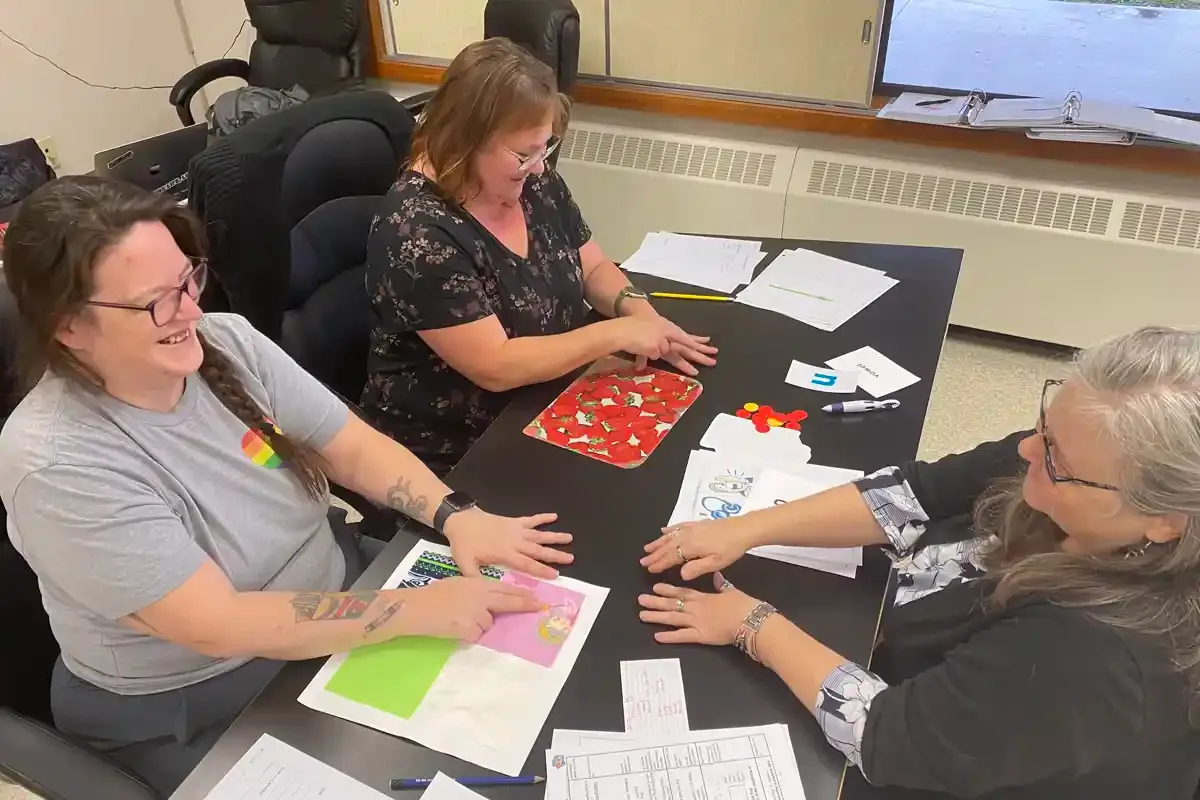
Overview of the Fundamentals of Structured Literacy Approach
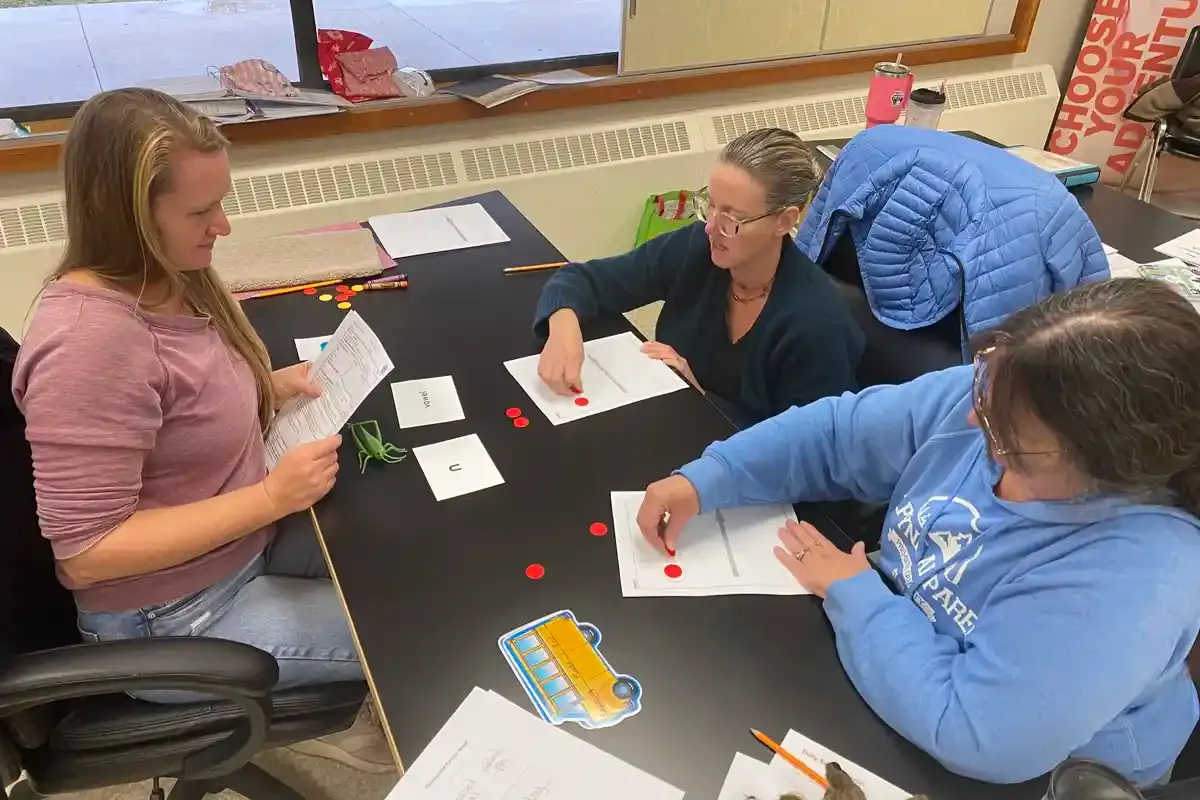
The Fundamentals of Structured Literacy teaches how language works through phonemic awareness, phonics, syllable types, spelling patterns, and morphology. Instruction follows a systematic, sequential progression that builds from simple to complex, with continual review for mastery. Teaching is explicit and utilizes the gradual release model (“I do, we do, you do”). Learning is a multisensory experience that engages visual, auditory, tactile, and kinesthetic modalities simultaneously.
Structured Language
Teaches how language works: phonemic awareness, phonics, syllable types, spelling patterns, and morphology.
Systematic, Sequential, Cumulative
Follows a clear scope and sequence from simple to complex.
Continual review of previously taught skills to ensure mastery.
Explicit/Direct Instruction
Concepts are taught directly.
Uses gradual release: I do → we do → you do.
Multisensory, Simultaneous
Engages visual, auditory, tactile, and kinesthetic modalities together.
1. Our students are not performing at grade level. Will the Structured Literacy Program change this?
Our students are not performing at grade level. Will the Structured Literacy Program change this?
Yes, after using this method as our reading program we have seen remarkable improvements in our students. Year end assessment and tests have always shown improvements.
Is this a researched-based approach?
This reading instruction program is based on evidence and bests practices.
The Science of Reading confirms a reading program must include: phonics, phonemic awareness, fluency, vocabulary, and comprehension. All five of these steps are incorporated into every step of Structured Literacy.
Does this program include phonics?
Phonics is included as it is one of the five steps. We understand the phonics method with is crucial to reading. Structured Literacy provides a comprehensive assessment so you know exactly where to place them in the program.
Once students are assessed and they are at different levels, how can we include everyone in our teaching?
Students can be placed in groups. From the assessments, there will be similarities between students. From these similarities students can be grouped. Children who know some of the group material will benefit from review. Modifying teaching methods will enable one to cater to a diverse group of students with varying learning potential.
Do these lesson plans align effectively with the curriculum standards and intended learning objectives?
Changes in the BC Curriculum will be implemented in the fall. The scope and sequence for this program follows the new guidelines completely.
How do I learn about this program?
The course is listed below. All components will be covered. Lesson plans and useful material are included. Once you learn this method and follow the scope and sequence, you will be able to incorporate some of your material (such as technology, multimedia, worksheets and reading material) into the program.
Gloria
1-250-562-8787
gloria@connectmylearning.com
2292 McTavish rd.
Prince George, BC
V2K 5R5
Stephanie
1-250-699-2522
stephanie@connectmylearning.com